direct services
Our programs are evidence-based and operate through an empowerment framework of advocacy that recognizes survivors as the experts in their own lives and supports them in determining the best next steps for their safety and self-determination. Our direct services operate across four core programs: Crisis Response Team, Lethality Assessment Project, Supportive Advocacy Team, and Crisis Shelter.
Crisis Response
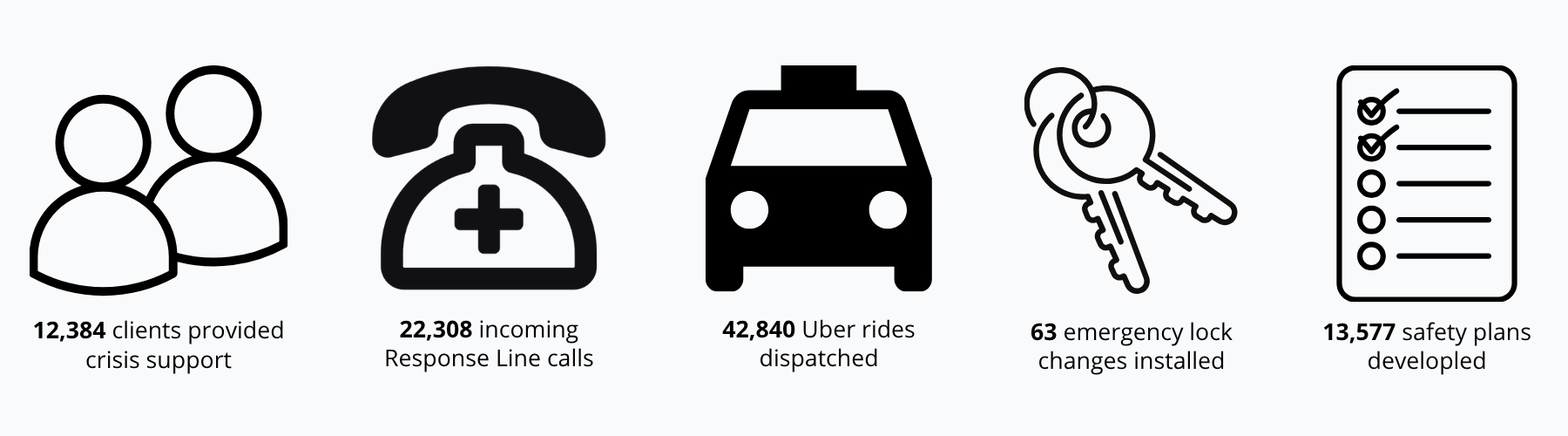
The Crisis Response Team (CRT) operates DC SAFE’s 24/7 bilingual Crisis Response Line. Known among the Latinx community as ACCIÓN: La Línea de Emergencia, the Response Line provides survivors in crisis with immediate access to trained advocates.
Response Line Advocates provide information and coordinate tangible resources in real time, including emergency transportation and lock changes. Survivors connect with the Response Line through referrals from MPD officers, emergency room personnel, other first responders, and community partners, as well as by reaching out directly.
FY25 CRT Impact Data
Lethality assessment
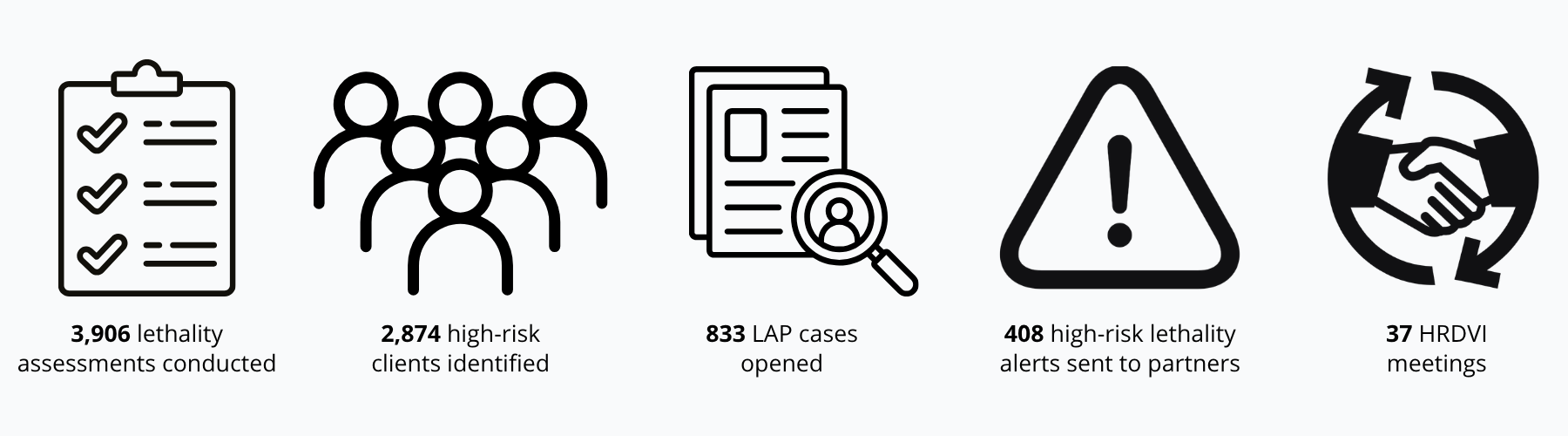
Our Lethality Assessment Project (LAP) is part of the District’s High Risk Domestic Violence Initiative (HRDVI), a coordinated community response focused on reducing domestic violence fatalities.
Through LAP, survivors are screened for their level of risk using a validated lethality assessment tool developed by DC SAFE in collaboration with Dr. Jacquelyn Campbell, the Johns Hopkins researcher who developed the Danger Assessment.
With a survivor’s consent, those identified as high risk receive an expedited and enhanced response across DC SAFE’s programs and through participating partner agencies. DC SAFE Advocates coordinate with these partners to help address survivors’ immediate needs and connect them with the appropriate support and resources.
FY25 LAP Impact Data
Supportive Advocacy
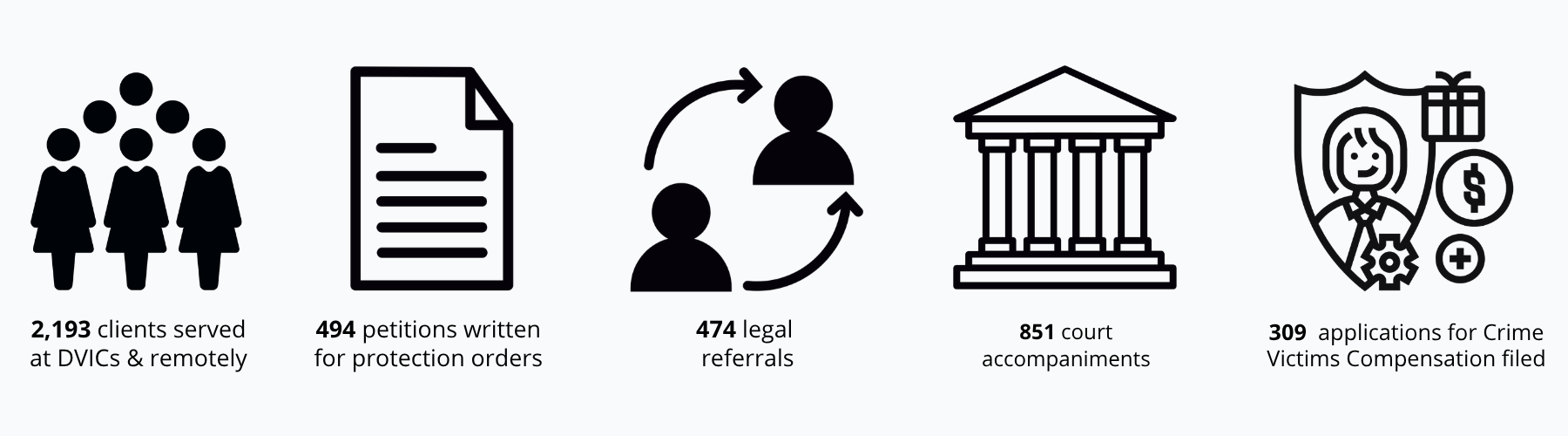
The Supportive Advocacy Team (SAT) provides virtual and in-person supportive advocacy and court navigation services. SAT Advocates support the District’s two Domestic Violence Intake Centers (DVICs), providing guidance through the Civil Protection Order process and support with safety planning, basic needs, and information and referrals.
SAT Advocates also help survivors navigate public benefits, including screening for TANF and providing information and enrollment access for the POWER program, which allows exemptions from certain TANF requirements for people experiencing domestic violence.
Advocates can also help survivors prepare for civil and criminal court hearings, provide court accompaniment, and offer post-court support.
FY25 SAT Impact Data
crisis shelter
Our SAFE Space shelter program provides up to 15 days of crisis housing in apartment-style units for survivors and their families. Dedicated Shelter Advocates provide on-site case management and advocacy seven days a week, conducting needs assessments and helping survivors identify and secure transitional and permanent housing options.
Shelter Advocates also provide essential resources, including food, toiletries, child-care items, and transportation, and coordinate with DC SAFE’s other programs to support survivors’ needs.
Learn more about DC SAFE’s shelter and administrative facility, the Que.
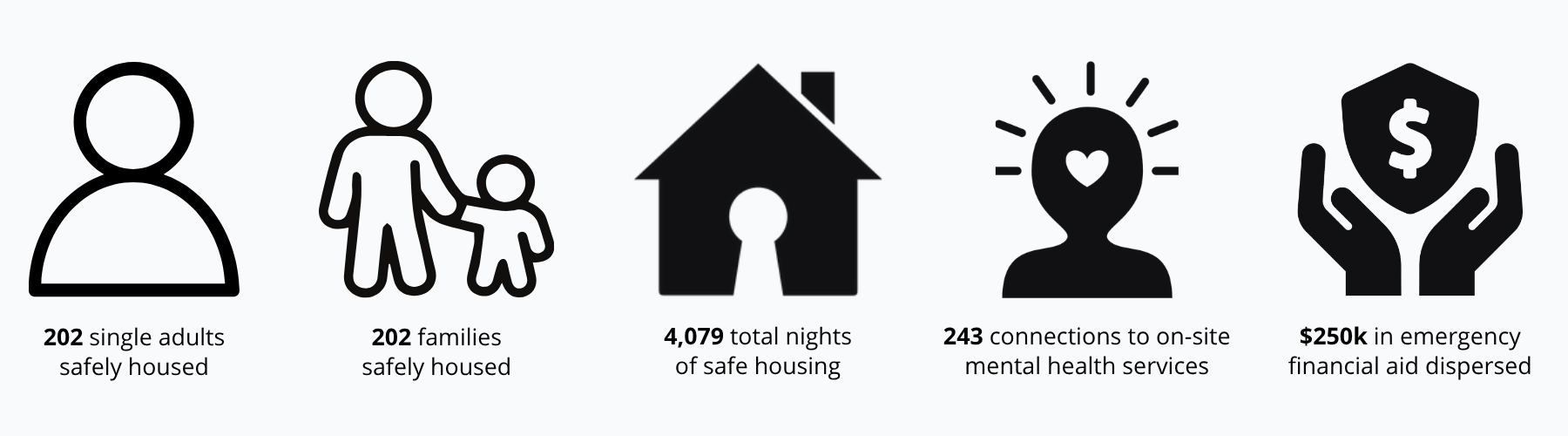
FY25 Crisis Shelter Impact Data